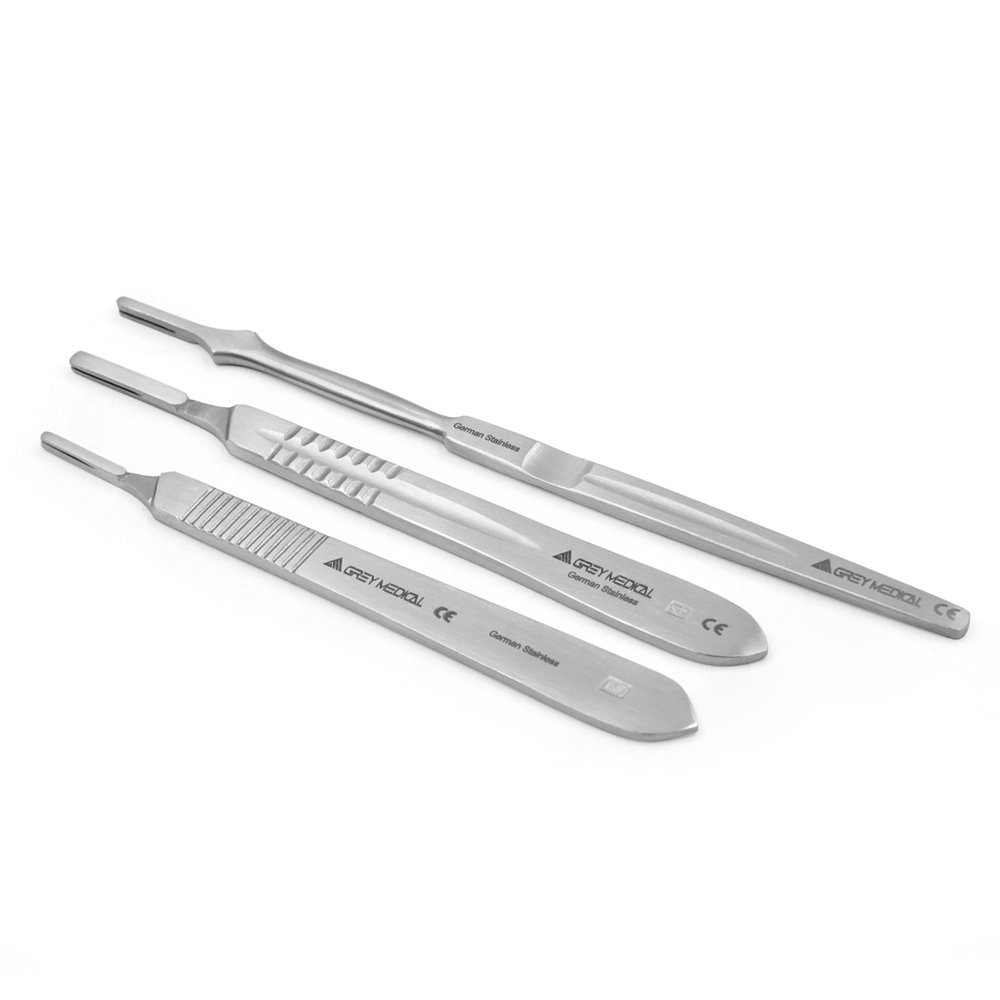
Surgery is a delicate art that relies heavily on the quality and precision of the tools used. While the skill of the surgeon is paramount, the reliability of each surgical instrument plays a critical role in patient outcomes. From scalpels to forceps, these tools are extensions of the surgeon's hands, allowing them to perform complex procedures with accuracy and safety. Understanding the importance of high-quality medical tools is essential for healthcare facilities aiming to provide the best care possible.
The Evolution of Medical Tools
Historically, medical tools were rudimentary and often made from materials that were difficult to sterilize. Today, modern manufacturing has transformed the industry. Stainless steel and titanium have become the standard, offering durability and resistance to corrosion. A modern surgical instrument is designed not just for function but for ergonomics, ensuring that surgeons can operate for hours without unnecessary fatigue. This evolution ensures that every cut, clamp, and suture is performed with the highest level of control.
Innovation in Design and Functionality
The medical field is constantly advancing, and the tools used must keep pace. Companies like GreyMedical® are at the forefront of this evolution. As a privately owned medical technology company dedicated to innovation and excellence in the craft of surgical instruments, GreyMedical® understands that even minor design improvements can lead to better surgical results. Whether it is a specialized retractor for neurosurgery or a microsurgical needle holder, the right surgical instrument can significantly reduce operation times and minimize tissue trauma.
Sterilization and Longevity
One of the most significant challenges in hospital management is maintaining the sterility and longevity of equipment. High-quality instruments are designed to withstand repeated sterilization cycles without losing their sharpness or alignment. Investing in a superior surgical instrument is cost-effective in the long run because it reduces the need for frequent replacements. Poor-quality tools can degrade quickly, posing risks of infection or mechanical failure during critical moments in the operating room.
Selecting the Right Tools for the Job
Choosing the correct equipment involves more than just picking items from a catalog. Surgeons and procurement managers must consider the specific needs of their procedures. General surgery, orthopedics, and cardiovascular surgery all require specialized toolsets. A generic tool often lacks the nuance required for specialized tasks. Therefore, selecting a purpose-built surgical instrument ensures that the surgical team is fully equipped to handle specific anatomical challenges efficiently.
Conclusion
The success of any surgical procedure depends on a combination of skilled professionals and reliable equipment. Prioritizing quality when selecting a surgical instrument ensures safety, efficiency, and better patient recovery rates. With industry leaders like GreyMedical® pushing the boundaries of innovation, healthcare providers have access to tools that meet the rigorous demands of modern medicine.